
Division 296: Now Enacted
March 23, 2026
Australia’s new Division 296 tax will reshape how high-balance superannuation members plan their fut...

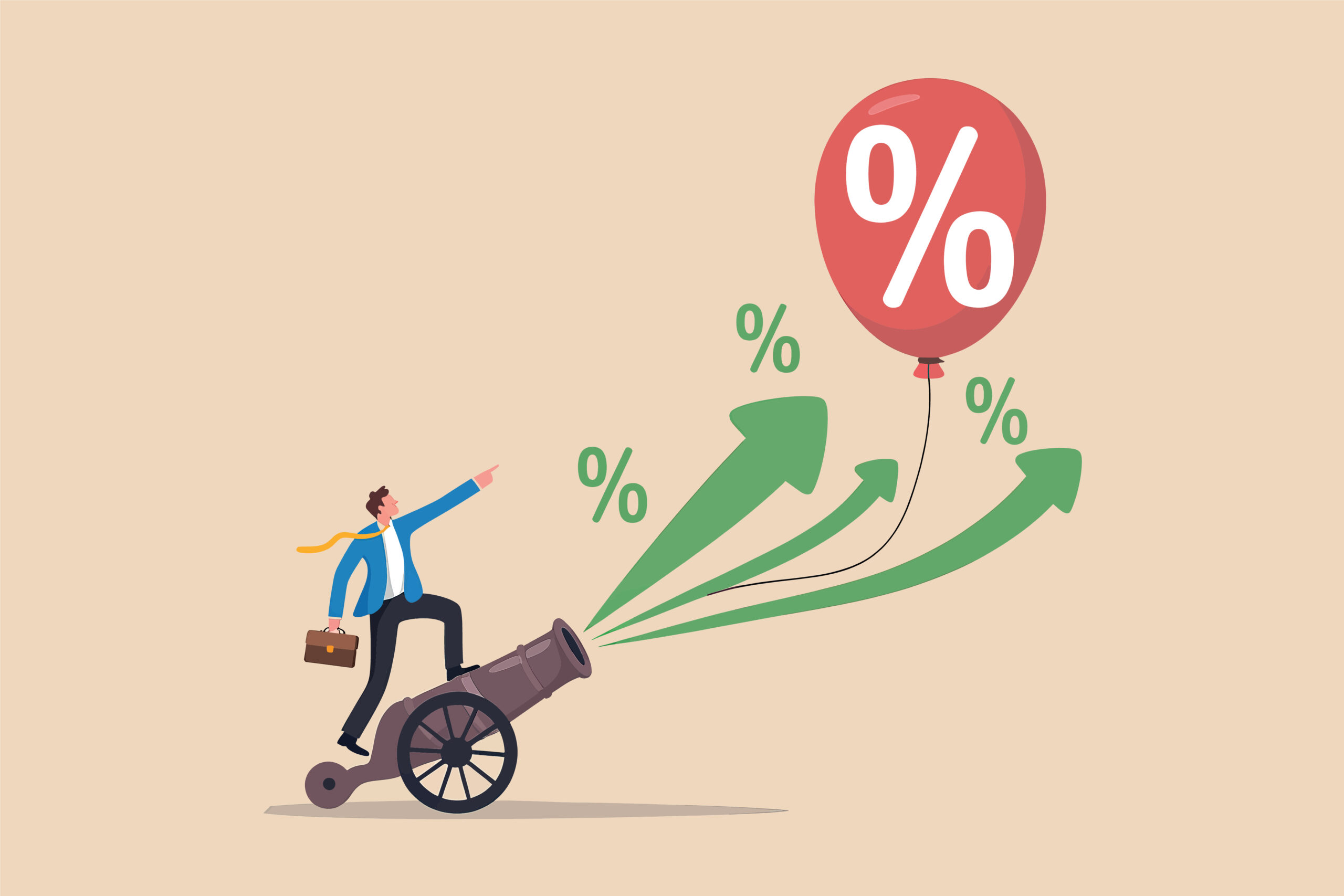

The Reserve Bank of Australia (RBA) has raised the official cash rate (OCR) by 25 basis points to 4.10%, citing ongoing inflationary pressures as the primary driver.
“While inflation has fallen substantially since its peak in 2022, it picked up materially in the second half of 2025,” the RBA board said in a statement. “Information since the February meeting suggests that some of the increase in inflation reflects greater capacity pressures. In addition, the conflict in the Middle East has resulted in sharply higher fuel prices, which, if sustained, will add to inflation. Short-term measures of inflation expectations have already risen.
“While part of the pick-up in inflation is assessed to reflect temporary factors, the board judged that the labour market has tightened a little recently and capacity pressures are slightly greater than previously assessed,” the central bank continued. “Developments in the Middle East remain highly uncertain, but under a wide range of possible scenarios could add to global and domestic inflation. In light of these considerations, the board judged that inflation is likely to remain above target for some time and that the risks have tilted further to the upside, including to inflation expectations. It was therefore appropriate to increase the cash rate target.”
The board voted 5-4, with the majority supporting a rate hike, while four members advocated to keep the cash rate on hold.
The RBA has moved back into the spotlight in recent weeks, as markets shifted from expecting rates to hold at 3.85%, to anticipating a potential hike amid rising inflationary pressures and global uncertainty.
In fact, inflation has yet to show signs of slowing since the start of the year. January headline CPI was 3.8%, the same as December, while trimmed mean inflation edged up to 3.4%, from 3.3% the month earlier. That’s on top of increases in both headline CPI and trimmed mean inflation in December. The RBA has repeatedly said it will not cut rates again until inflation is back within the 2% to 3% target inflation range.
In March, conflict in the Middle East between the US, Israel and Iran left Australians to wonder if the fallout would be felt at home. The turning point came when RBA Deputy Governor Andrew Hauser spoke on The Conversation’s Politics with Michelle Grattan podcast earlier this month, saying that the conflict is pushing global oil prices higher and keeping inflation hotter than expected. In February, the RBA forecasted inflation would reach 4.2%. But with recent events, Hauser said inflation could go higher.
Hauser’s comments pushed markets to price in a near-term rate hike, prompting the last of the Big Four banks to revise their forecast and expect a move in March.
Previously, following the RBA’s 0.25% hike in February, some of the banks had anticipated a pause in March before another increase at the May meeting. But mounting inflation pressures, partly driven by geopolitical tensions, have shifted expectations toward an earlier move.

Your goals deserve clear financial direction. Whether you are growing a business or protecting your personal wealth, our advisers are here to guide you with practical strategies that deliver results.