RBA News Flash: November 2026
November 3, 2026
The Reserve Bank of Australia (RBA) has increased interest rates. The nation's central bank met Mond...

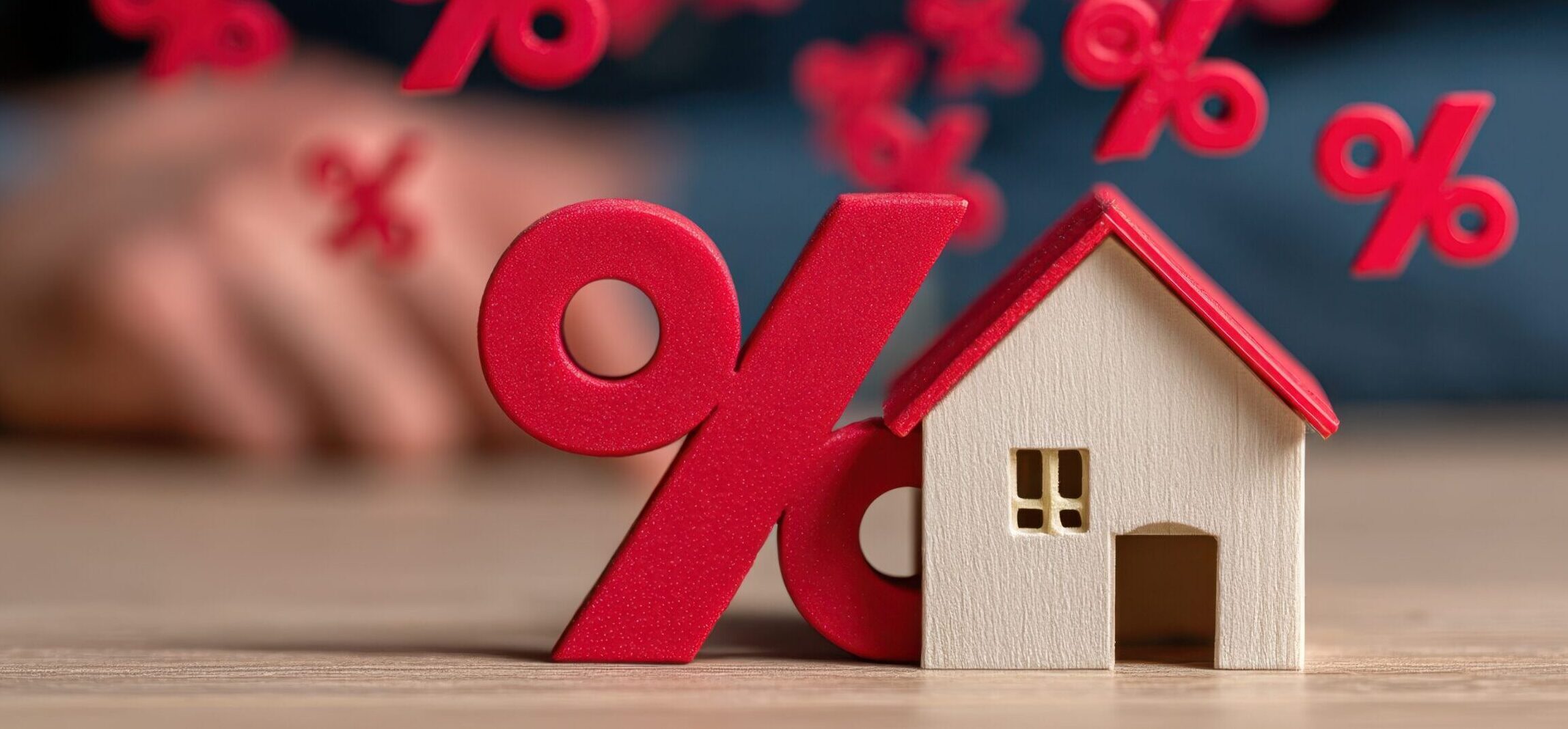
The Reserve Bank of Australia (RBA) has increased interest rates for the second consecutive month, marking the fourth and fifth rate hikes overall in 2026.
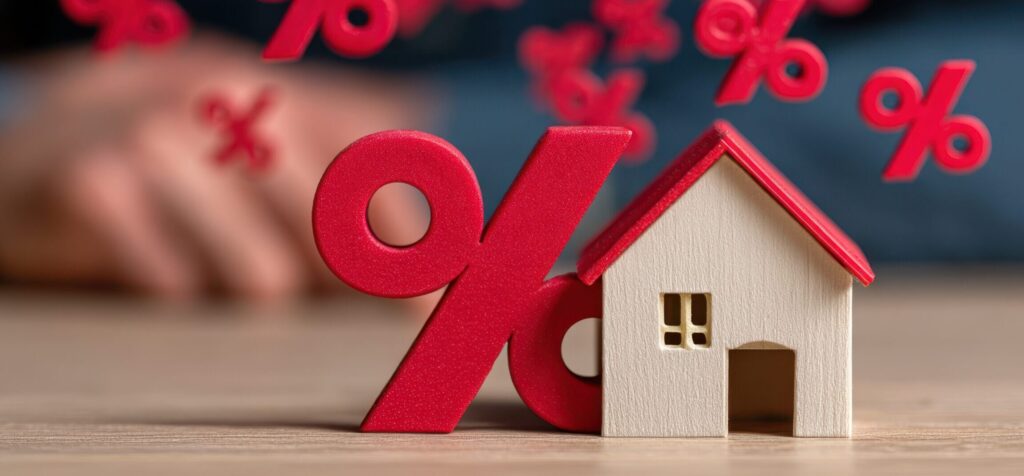
The nation’s central bank has met and is increasing the official cash rate (OCR) 25 basis points to 4.85%, and placing their bets on Melbourne Cup Day that further rate hikes will help tame inflationary pressures. The move marks the fifth rate rise for 2026 and the highest interest rate levels in 18 years.
The bank cited ongoing inflation as the primary driver for its decision.
“Inflation remains elevated and recent data indicate that it is broadly based,” the RBA said in a statement. “The inflation outlook has also been revised materially higher in the updated staff forecasts. This partly reflects higher fuel and other commodity prices affected by the conflict in the Middle East. But domestic capacity pressures are also judged to have been a little tighter than earlier thought. Inflation is now forecast to remain elevated through much of 2027 and is not expected to reach the top of the 2% to 3% target range until late 2027, around three quarters later than previously forecast. This presents upside risks to inflation expectations; some measures are assessed to have risen lately.
“The board is conscious of the period in which inflation has been too high,” the statement continued. “Given the revised inflation outlook and the continuing upside risks, the board judged that a further tightening in financial conditions is warranted to support the return of inflation to target.”
The decision was majority, with a six-three split.
Few borrowers will be cheering the latest rate rise. But all four of Australia’s Big Four banks had already placed their bets on another rate hike at the November meeting.
The latest increase follows the RBA’s September decision to lift the OCR for the fourth time in 2026, following stubborn inflationary pressures.
At the time, RBA Governor Michele Bullock left the door open to further tightening, saying the board would consider increasing rates again “if that’s what’s needed to get inflation down.”
“We need to stop this high inflation,” she told reporters. “It’s critical that we stop expectations for high inflation from becoming embedded in price-setting decisions across the economy, or the problem will only get worse. That’s why bringing inflation down is our priority.”
Since then, inflation has shown little sign of easing. The August consumer price index (CPI) showed that inflation was still above the RBA’s target band. So did the September print.
Headline inflation rose to 4.3% in the 12 months leading up to September, up from 4.0% in the year to August, while trimmed mean inflation came in at 3.6% in September, compared with 3.5% in August. The RBA has repeatedly said it would not consider reducing rates again until inflation is back within the target band of 2% to 3%.
Major banks and futures markets were quick to adjust their expectations for a November rate rise.
Meanwhile, rising unemployment has done little to tame market fears. Neither have comments from senior RBA officials.
During opening remarks to the Senate Economics Legislation Committee in October, Bullock said: “Inflation is likely to remain elevated for some time. Our most recent published forecasts… suggested that inflation would not return to around the midpoint of the target range until late 2027.”
That same month, during the Citi Australia & New Zealand Investment Conference in Sydney, Deputy RBA Governor Andrew Hauser said inflation was still “too high,” and that “the inflation outlook looks materially worse than we projected in the August report.”
The RBA’s pointed remarks reflect a broader concern about the direction of the economy.
“What the RBA appears to be worried about is that inflation has been above their target for so long that there’s, they say – a growing risk that people and businesses will come to expect that it will remain above their target for a long time.
Which history tells them, makes it much more likely that inflation will actually be above their target for a long time.
What market players are saying.
While a rate rise is the RBA’s tool to help ease inflation, Belinda Allen, head of Australian economics at Commonwealth Bank of Australia (CBA), said another rate rise will cause “economic consequences.”
“The economy will be more subdued than we had forecast, home prices weaker and the unemployment rate higher,” Allen said. “A more subdued economy will be the cost of bringing inflation back to target in a reasonable timeframe. We are seeing evidence of that economic slowdown already. CBA card spend is slowing, the unemployment rate is rising and sentiment surveys are pessimistic. The RBA has picked a side and is leaning into the fight. As a result, we see the RBA on hold in December and by the time of the February meeting, there should be enough evidence on growth and inflation that sees the RBA on hold.
“Rate cuts are in the cards for late in 2027 if enough progress has been made,” the economist added. “We have these pencilled in for August and November. But a large degree of uncertainty remains on timing.”


Your goals deserve clear financial direction. Whether you are growing a business or protecting your personal wealth, our advisers are here to guide you with practical strategies that deliver results.